Your own, personal, American Jesus
There's an interesting interview over at the Boston Globe's website with Stephen Prothero, a Boston University professor and the author of the new book American Jesus: How the Son of God Became a National Icon. We Americans have been quite free in shaping Jesus in our myriad images, including "a capitalist, a countercultural hippie, a tenderly feminine savior, a manly soldier for Christianity, a driver of hybrid cars, and a fan of sport utility vehicles, among other guises." This, says Prothero, is both "a good thing and a bad thing."The liberties we've taken bring religion to a lot more people. We have this wild freedom of religion -- we can have a gay Jesus and a straight Jesus, a black Jesus and a white Jesus, a Spanish-speaking Jesus and an English-speaking Jesus -- [that] allows our citizens to approach Jesus. But it also can have the effect of cheapening the prophetic side of Jesus, the ability of Jesus to call a culture to account. Religion has been the most powerful force for social and political change historically. That power of Jesus is diminished by his tendency in the United States to take his marching orders from the public. Jesus was important in the civil rights movement, in abolitionism. It's not that he can't do anything right. But it's increasingly difficult to call on his name in the service of social transformation. He seems to be worried now more about what we drive and eat than why so many black people are in prison and why poverty is so unevenly distributed across the country.
Link via Relapsed Catholic.
:: Andrew 10:42 + ::
...
bloggedy blog
About
bloggedy blog home
Name: AC
Location: somewhere on the Internet
Interests: writing, music, theology, media, movies, spiritual
stuff, blogging
Blogger profile

100 things about me
Who Links Here

High Class Blogs
Pop Culture &
fun cool stuff
Syndicate
music to my ears
100 Albums That Changed My Life
100 Records - RIP
advance copy
All Songs Considered
Alternative Hymnal
A to Z 2005
Alice Bag
Bob Baker's Indie Music Promotion Blog
Lester Bangs Archives (not a blog)
bigstereo
Blank Forever
Blogcritics.org/music
blo.gs favorites for [The Music Blogosphere]
Matt Brett
Catbirdseat
Jonathan Coulton
Creem
dancing about architecture
Dryvetyme Onlyne
Earvolution
eMusic
Faster Than the World
FlexiMusic (music editing software)
fluxblog
Freeway Jam
The Future of Music, etc.
GaragePunk.com
Gorilla vs. Bear
iJamming (Tony Fletcher)
KNATE
Largehearted Boy
Jenny Lens, punk
photog
Killed By Death
Leptard
Lost Bands of the New Wave
Era
Metacritic Music
Midvale School for the
Gifted Alumni
Association
More Cowbell
Bob Mould
The Music Blog
Music Spectrum
Musings on Music
My Old Kentucky Blog
My top 40 punk tunes
nat's the name
Never Mind the Bibles
Stevie Nixed
No Rock and Roll Fun
Paste
Paste Culture Club Podcast
Pitchfork
Plankton, Evil Genius
Popsheep
PopText
Pregnant Without Intercourse
Punk: the original
Punk 77!
Punk Turns 30
punknews.org
Punk Rock Blues
Punkrockers.com (not a blog)
The Punk Vault
purevolume (free mp3s)
Quackery
Rhapsody Radish
rockcritics daily
rockcritics links (lots of music blogs)
Rock & Roll Daily
Rock Insider
Rock Rebel
Rockstar Mommy
Rolling Stone
Said the Gramophone
Search & Destroy!
Seventrack
Something I Learned Today
The Sound of Indie
Spin
spreeblick
stereogum
Thunderstruck
Thus Spake Drake
Tiny Mix Tapes
trouser press
Tuwa's Shanty
U2 Sermons
Undercover
WFMU's Beware of the Blog
Worthy Music
You Ain't No Picasso
Technorati tags: music, punk rock,
rock'n'roll, rock and
roll
bookish blogs
American Digest
Arts & Letters Daily
Beyond
Bookninja
Bookseller Chick
The Bookshelf Reviews
Bookslut
Bookworld
Brandywine Books
Chekhov's Mistress
Comment
The Elegant
Variation
Emerging Writers Network
Galleycat
Kevin Holtsberry
if:book
Dan Johnson
MobyLives
Moorishgirl
NewPages
Douglas Rushkoff
QuotesBlog
So Many Books
Star Nosed Mole
Technorati's popular
books
World Hum: travel dispatches
Technorati tags: books, writing, poetry
media & politics
Ananova
Avant News
La Shawn Barber
BBC
Blog for America
blogometer
Blonde Sagacity
Bring It On
Conservative Musings
Daily Kos
Donkiephant
FactCheck.org
Gawker
Dan
Gillmor/Backfence.com
Google News
In the Agora
Independent Sources
I Want Media
Lam(b)
Less People, Less Idiots
Michelle Malkin
Mamacita
Mediabistro.com
mediagirl.org
MSNBC blogs
Musing's Musings
National Review
Obscure Store & Reading Room
OpinionJournal
Outside the Beltway
Poynter
PR Watch
Radical Centrist
Romenesko
Salon
Slate
Spot On
Andrew Sullivan
Talking Points Memo
Tapped
Technorati news
discussions
Truthdig
University Blog
USA Today
Wired News
WiseDove
Wonkette
Technorati tags: current
affairs, in the news, media, news, politics,
rants
pop culture
10 Zen Monkeys
Agent Bedhead
Bitch | Lab
blinq
blogcritics.org
blogdex
Brian Greens
Church of the
Masses
Carol Cooper
Drink at Work
The Flick Filosopher
Green Cine Daily
In the Open Space
Steve Knight
memepool
Metacritic
Metafilter
Monkey Bites
popbytes
Pop Candy
Pop Culture Junkies
Pop Culture Junk Mail
Pop Matters
popsugar
Project DU
Radar
Reality TV Blog
Relevant
rocketboom
Slant Truth
Starpulse
Thunderstruck
Trend Hunter
willzhead
Technorati tags: pop culture, television, movies, memes, humor
emerging churchies
Jonny Baker
Tim Bednar/Turtle Interactive
djchuang
Jordon Cooper
Alan Creech
Earl Creps
Darryl Dash
Emergent Southeast
Emerging Minister
Emerging Writer
faithCommons
faithmaps
TheHeresy
Wade Hodges
Todd Hunter
Ish/Not My Blog
Andrew Jones/Tall Skinny Kiwi
Brian McLaren
Mosaic Life
New Life
Emerging
New Wineskins
Next Reformation
Next Wave
John O'Keefe
TheOoze CollaboBlog
Outland
Out of Ur
Palmer
Fred Peatross
postmodern_theology
submergence
Leonard Sweet
TheologyGeekBlog
Charlie Wear
Technorati tags: emerging church, Christianity, religion
jambalaya
Black Tulip
Cubicle reverend
Daily Life in a Homeless Shelter
wrongblog
Transplanted Buckeye
Mista Sinista
Nat
Pati (Romania)
Richard Hall
Debi Warford
What in Tarnation?
Len Evans
Reverend Mike's
Darren Rowse
Michele
Evangelical Church Blues
Weblog Wannabe
Randy McRoberts
Rob Williams/Orangejack
Jeneane Sessum
Cousin Rand
nonetooshabby
Danno
Antihero Comics
JukeBox Hero
Brad Boydston
Gideon Strauss
Donnaville
Casual Friday
Luis Batista
Rudy Carrasco
GetReligion
AKMA
Totem to Temple
Fast Company Now
Tim Samoff
adrants
whiskyprajer
Seth
Godin
Dan Hughes
Joho the Blog
Jack Wolfgang
Like Wow Dude
Monkeys in My Pants
Dryvetyme
Doc Searls
real live preacher
Bene
Kevin Hendricks
Life...in Budapest
The Hertzlers
Think Christian
Dawn Patrol
Random Rambling
Chi Alpha @ Stanford
CT Weblog
Anonymous Rowhouse
relapsed catholic
ChristWeb
Rachel Cunliffe
Glen and Paula Davis
blogs4God
The Medieval Bestseller
Dead Yet Living
Darrell Dement
Dialog: Breaking the Bubble
Somegirlwitha.com
Randall Friesen
Mikao
Heal Your Church Web Site
Spudlets
Dave Faulkner
Mark Byron
how now, brownpau?
Ardent Enthusiast
King's Kid
Linea Lanoie
red pill
M Squared T
Scottish Christian
Rick Marshall
Cigarette Smoking Man
Ganns
Adrian Warnock
SteelerDirtFreak
BrykMantra
Miniette
Pootlecat
Living the Dreams
Post-Modern Pilgrim
David Heddle
Rev Bill
Sticky Blog
The Searching
Jon Reid
News-Head-O-Rama
signposts
such small hands
Mike Todd
higher ed marketing
Eatonweb
Spare Change
Avoiding Evil
What if I stumble?
...and the first shall be last...
Technorati tags: blogs, blogging, weblogs, Christianity, Internet,
marketing, random
thoughts, rants, religion, web
my writings
eMinistry: Connecting with the Net
Generation (website)
Hooked on the Net (website)
E-vangelism: Sharing the Gospel in
Cyberspace (website)
:: Saturday, January 24, 2004 ::
bloggedy blog recommends

bloggedy pod (my podcast page)
Independent hotels
in Missouri

eMusic's Power Charts: The Most Interactive Music Charts Online.

In rotation
What I've been listening to lately. Click album cover or hyperlink to hear track samples and learn more.
 Rickie Lee Jones, Sermon on Exposition Boulevard
 Patty Griffin, Children Running Through
 Of Montreal, Hissing Fauna, Are You the Destroyer?
 Field Music, Tones of Town
 De Bossen, The Girl Collection
 Cold War Kids, Robbers & Cowards
 Simon Dawes,

Frida Hyvonen, Until Death Comes

Tratore Basics Vol. 2, Novo Rock Brazil
 Yusuf: An Other Cup
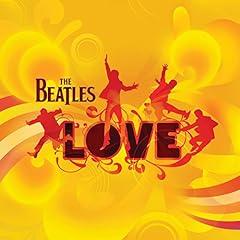 The Beatles: Love

The French Kicks: Two Thousand

The Blow: Paper Television

Freedom Haters Unite! A Bloodshot Records Sampler

Swan Lake: Beast Moans

Prototypes: Prototypes

Scanners: Violence Is Golden

Voxtrot: Mothers, Sisters, Daughters & Wives

Voxtrot: Your Biggest Fan

Macon Greyson: Translate

The Evens: Get Evens

Veruca Salt: Veruca Salt IV
 Bob Dylan: Modern Times

Pink Tuscadero: Look Your Best

Leigh Nash: Blue on Blue

Yo La Tengo: I Am Not Afraid of You and I Will Beat Your Ass

The Hold Steady: Boys and Girls in America

Bobby Bare Jr.: The Longest Meow"

The Be Good Tanyas: Hello Love

The Lemonheads: The Lemonheads

Ben Kweller: Ben Kweller

The Pipettes: We Are the Pipettes
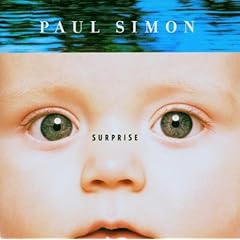 Paul Simon: Surprise

Exene Cervenka and the Original Sinners: Sev7en
 Johnny Cash: American V: A Hundred Highways

The John Doe Thing: For the Best of Us

The Fondas: Runaway Bombshell

Buzzcocks: Flat Pack Philosophy

Asobi Seksu: Citrus

Tapes 'n Tapes: The Loon

Various Artists: 2006 Pitchfork Music Festival Sampler (24 free tracks)

The Futureheads: News and Tributes

The Bottle Rockets: Zoysia

Camera Obscura: Let's Get Out of This Country

Art Brut: Bang Bang Rock & Roll

Drive By Truckers: A Blessing and a Curse

The Raconteurs: Broken Boy Soldiers

Belle and Sebastian: The Life Pursuit

Cat Power: The Greatest
bloggedy tags
from our sponsors
for your viewing pleasure
24x7
rocketboom
the Richard Show
where in the world?

Base layout by Firdamatic
Powered
by Blogger
Valid XHTML and CSS
Comments by: YACCS
